5380 KING JAMES WAY SUITE A1, FITCHBURG, WISCONSIN 53719




STRENGTH TRAINING BLOG
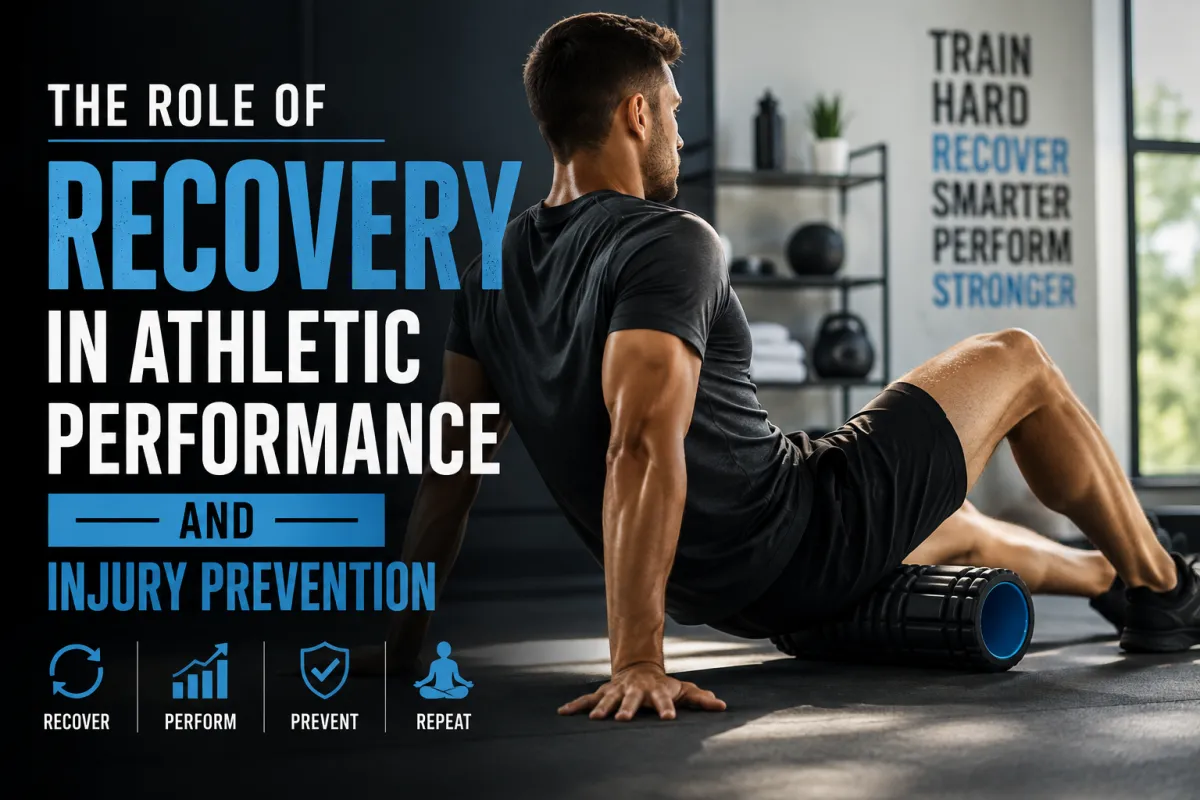
The Role of Recovery in Athletic Performance and Injury Prevention
ost people think progress happens in the gym. It doesn't. Progress happens after the gym, while your body repairs the muscle tissue you broke down during training. Skip that step, or rush it, and you're left with plateaued performance, nagging aches, and a much higher risk of injury.
At Functional Integrated Training, recovery isn't an afterthought we mention on your way out the door. It's one of our 5 Pillars of Athletic Excellence, right alongside training, nutrition, hydration, and motivation. This guide breaks down why recovery matters so much and which athletic recovery techniques are worth building into your week.
Why Recovery Is Part of Training, Not a Break From It
Every hard workout creates small amounts of stress and micro-damage in your muscles. That's a normal, necessary part of getting stronger. The adaptation, the part where your body rebuilds that tissue and comes back more resilient, happens during recovery, not during the workout itself.
If you never give your body time to complete that process, you're stacking stress on top of stress. Over time that shows up as stalled progress, chronic fatigue, and a nervous system that never fully resets. We touched on this in our post on why strength training alone isn't enough after 30, where recovery is one of the key pieces that determines whether your training actually compounds over time or just wears you down.
What Actually Happens to Your Body During Recovery
Recovery covers a few overlapping processes:
Muscle repair. Damaged muscle fibers rebuild and thicken, which is how you get stronger over time.
Glycogen replenishment. Your muscles restock the fuel you used during training so you have energy for the next session.
Nervous system reset. Hard training taxes your central nervous system, not just your muscles. Recovery lets it recalibrate so your coordination, reaction time, and strength output stay sharp.
Inflammation regulation. Some inflammation after training is normal. Recovery helps your body clear it out instead of letting it linger and turn into pain or restricted movement.
Every one of these processes needs time, and most of them need specific inputs like sleep, food, and water to actually happen.
Athletic Recovery Techniques That Actually Work
1. Prioritize Sleep
Sleep is where most physical repair happens. Growth hormone release, muscle protein synthesis, and nervous system recovery all ramp up during deep sleep. Athletes who consistently shortchange their sleep tend to see slower strength gains and a higher rate of soft tissue injuries, even when their training program is solid.
2. Fuel and Hydrate on Purpose
Your muscles need protein to rebuild and carbohydrates to refill energy stores. Water and electrolytes support nearly every recovery process, from nutrient delivery to joint lubrication. This is why nutrition and hydration are their own dedicated pillars in our program. Training hard without eating and drinking to match it is one of the fastest ways to stall progress.
3. Use Active Recovery Days
A true rest day doesn't have to mean sitting on the couch. Light movement like walking, swimming, or an easy bike ride increases blood flow to sore muscles and can speed up recovery compared to doing nothing at all. Active recovery keeps you moving without adding meaningful training stress.
4. Work on Mobility, Not Just Flexibility
Tight, restricted joints make it harder for your body to move efficiently, which increases strain on the muscles and connective tissue around them. Regular mobility work keeps your joints moving through their full range and takes pressure off the areas that tend to get overused. We go deeper on this distinction in Mobility vs Flexibility: What Actually Matters for Long-Term Health.
5. Respect Rest Days and Deload Weeks
Rest days let your body catch up on repair. Deload weeks, periodic stretches of lighter training, give your joints and nervous system an extended break before you push into a new training phase. Both are planned parts of a well-built program, not signs that you're falling behind.
6. Try Foam Rolling and Soft Tissue Work
Foam rolling and other self-myofascial release techniques can reduce muscle tightness and improve short-term range of motion. It's not a replacement for mobility training or rest, but it's a useful tool to add into your routine, especially on active recovery days.
How Recovery Prevents Injury
Most overuse injuries don't come from a single bad rep. They build up over weeks or months of accumulated stress that never gets a chance to resolve. Tight, fatigued muscles move differently than fresh ones. They compensate, they lose coordination, and they put extra load on joints and tendons that weren't designed to carry it.
This is part of why our coaches build functional training and movement quality into every program. As we cover in The Role of Functional Training in Preventing Age-Related Muscle Loss, training that respects how your body actually moves, combined with real recovery, is what keeps you strong and injury-free for the long run, not just for one good training block.
Recovery Looks Different Depending on Your Program
Recovery needs shift depending on how you train:
In Personal Training, your coach can build recovery windows directly into your individualized program based on how your body is responding week to week.
In Small Group Training, coaches watch for signs of fatigue across the group and adjust intensity so everyone keeps progressing safely.
For young athletes in our Youth Sports Performance program, recovery is especially important. Developing bodies need adequate sleep and rest to handle the demands of both sport-specific training and everyday activity without breaking down.
Signs You're Not Recovering Enough
Watch for these warning signs that recovery isn't keeping pace with your training:
Lingering soreness that doesn't ease up after a couple of days
Strength or energy that seems to be going backward instead of forward
Trouble sleeping despite feeling exhausted
Getting sick more often than usual
Losing motivation to train
If any of this sounds familiar, it's worth talking to your coach about adjusting your training load or adding more structured recovery into your week.
Build Recovery Into Your Plan With FIT
Recovery isn't something you have to figure out on your own. Our coaches design every program with training, nutrition, hydration, recovery, and motivation working together, so you build strength without burning out or getting hurt along the way.
If you're ready for a plan that actually accounts for recovery, start your fitness assessment and let's build a program that keeps you moving forward.
5380 KING JAMES WAY SUITE A1, FITCHBURG, WISCONSIN 53719
And Serving Madison, Verona, Middleton, and surrounding areas.


