5380 KING JAMES WAY SUITE A1, FITCHBURG, WISCONSIN 53719




STRENGTH TRAINING BLOG
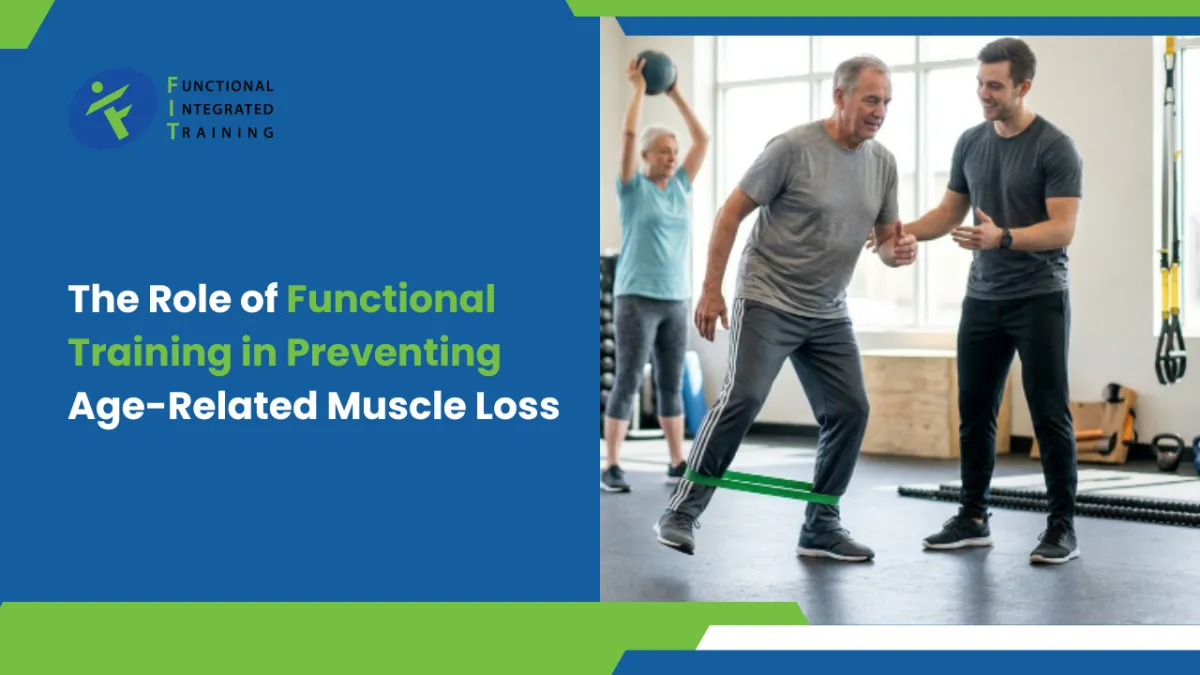
The Role of Functional Training in Preventing Age-Related Muscle Loss | Functional Integrated Training
As we age, maintaining strength, mobility, and independence becomes increasingly important. One of the biggest physical challenges older adults face is age-related muscle loss, also known as sarcopenia. This gradual decline in muscle mass and strength can affect balance, mobility, energy levels, and overall quality of life.
Fortunately, exercise can play a major role in slowing or even reversing this process. Among the most effective approaches is functional training, a style of exercise designed to improve the way your body performs everyday movements.
At Functional Integrated Training, functional fitness programs are designed to help individuals build strength, improve movement patterns, and support long-term health through practical, sustainable training methods.
What Is Age-Related Muscle Loss?
Age-related muscle loss, or sarcopenia, refers to the natural decline in muscle mass, strength, and physical performance that occurs with aging.
Research shows that adults can begin losing muscle mass as early as their 30s, with the process accelerating after age 60. This decline can lead to:
Reduced mobility
Increased risk of falls
Poor balance
Joint instability
Lower energy levels
Difficulty performing daily tasks
Loss of independence
Exercise, especially resistance and functional training, is considered one of the most effective ways to combat sarcopenia and preserve physical function as we age.
What Is Functional Training?
Functional training focuses on exercises that mimic real-life movement patterns. Instead of isolating a single muscle group, functional exercises train the body to move efficiently as a complete system.
These exercises often include:
Squats
Lunges
Pushing movements
Pulling movements
Carrying exercises
Rotational movements
Balance drills
Core stabilization
The goal is to improve strength, coordination, flexibility, balance, and mobility in ways that directly translate to daily activities.
Functional training helps people move better, feel stronger, and maintain independence as they age.
Why Muscle Loss Happens With Age
Several factors contribute to muscle decline over time, including:
Reduced Physical Activity
Many adults become less active with age, leading to muscle deconditioning.
Hormonal Changes
Aging affects hormones that support muscle growth and recovery.
Poor Recovery and Sleep
Recovery becomes slower with age, especially without proper nutrition and rest.
Loss of Neuromuscular Function
The communication between the brain and muscles becomes less efficient over time.
Chronic Inflammation
Inflammation associated with aging can contribute to muscle breakdown.
Without intervention, muscle loss can progressively worsen and impact overall health.
How Functional Training Helps Prevent Muscle Loss
1. Builds Functional Strength
Functional training combines resistance exercises with movement-based patterns that strengthen muscles used in everyday life.
Movements like squats, step-ups, and carries help improve:
Leg strength
Core stability
Posture
Grip strength
Joint support
Research has shown that resistance and functional training can significantly improve muscle strength and physical function in older adults.
2. Improves Balance and Stability
Falls are one of the leading causes of injury among older adults. Functional training incorporates balance and coordination exercises that help reduce fall risk.
Examples include:
Single-leg exercises
Stability work
Controlled movement patterns
Core-focused exercises
Improved balance helps individuals maintain confidence and independence in daily life.
3. Enhances Mobility and Flexibility
Aging can reduce joint mobility and flexibility, making simple activities feel difficult.
Functional training helps maintain:
Joint range of motion
Hip mobility
Shoulder mobility
Movement efficiency
Better mobility allows the body to move with less stiffness and discomfort.
4. Supports Muscle Preservation
One of the key benefits of functional training is its ability to stimulate muscle growth and maintenance through resistance-based movement.
Exercises involving body weight, resistance bands, kettlebells, dumbbells, or controlled resistance challenge muscles effectively.
Studies show that resistance-focused exercise remains one of the most powerful interventions for preventing sarcopenia and improving muscle function in aging adults.
5. Improves Daily Function and Independence
Functional training is designed around real-world movement.
This means exercises often replicate actions like:
Getting out of a chair
Carrying groceries
Climbing stairs
Reaching overhead
Picking up objects safely
Research has demonstrated that functional training can improve activities of daily living and physical performance in older adults.
For aging adults, maintaining independence is one of the most valuable outcomes of consistent functional fitness.
Functional Training vs Traditional Gym Workouts
Traditional workouts often isolate muscles using machines. While this can build strength, it may not fully improve movement quality or real-life functionality.
Functional training differs because it:
Uses multiple muscle groups together
Improves coordination
Develops movement patterns
Builds practical strength
Enhances body awareness
For older adults, this integrated approach can be especially beneficial because daily activities require the body to work as a connected system.
Best Functional Exercises for Healthy Aging
Squats
Squats strengthen:
Legs
Glutes
Core
Hips
They also improve the ability to sit down and stand up safely.
Lunges
Lunges help improve:
Balance
Hip stability
Lower body strength
Coordination
Step-Ups
Step-ups mimic stair climbing and help maintain lower-body power.
Farmer’s Carries
Carrying exercises improve:
Grip strength
Core stability
Posture
Functional endurance
Resistance Band Exercises
Resistance bands provide safe, scalable resistance that supports muscle activation without excessive joint stress.
Core Stability Training
A strong core supports:
Balance
Posture
Spine health
Injury prevention
Why Consistency Matters More Than Intensity
One of the biggest mistakes people make is assuming workouts must be extreme to be effective.
In reality, consistency is far more important for long-term health and muscle preservation.
Moderate functional training performed regularly can:
Preserve muscle mass
Improve mobility
Increase energy
Reduce injury risk
Improve overall fitness
The key is sustainability.
At Functional Integrated Training, programs are designed to help individuals build realistic fitness habits that support lifelong strength and movement.
The Mental Benefits of Functional Fitness
Functional training does more than improve physical health.
Regular movement and strength training can also:
Reduce stress
Improve confidence
Enhance mood
Support cognitive health
Increase motivation
Exercise has been strongly associated with improved mental well-being and healthy aging.
Feeling physically capable often improves overall quality of life.
The Importance of Recovery and Nutrition
Exercise alone is not enough to prevent muscle loss effectively.
Healthy aging also requires:
Adequate protein intake
Proper hydration
Quality sleep
Stress management
Recovery time
Protein is particularly important because aging muscles become less responsive to protein synthesis.
Combining functional training with proper nutrition creates better long-term results. (Runner's World)
How Often Should Older Adults Do Functional Training?
Most experts recommend strength and resistance training at least 2–3 times per week for healthy aging and muscle preservation.
A balanced program may include:
Strength training
Mobility work
Balance exercises
Cardiovascular activity
Recovery days
Programs should be adjusted based on:
Fitness level
Health conditions
Injury history
Mobility limitations
Individual goals
Working with experienced fitness professionals can help ensure exercises are safe and effective.
Signs You May Need Functional Training
You may benefit from functional fitness if you notice:
Reduced strength
Difficulty climbing stairs
Poor balance
Joint stiffness
Frequent fatigue
Limited mobility
Trouble carrying objects
Fear of falling
The earlier healthy movement habits are developed, the easier it becomes to maintain strength and independence long-term.
Final Thoughts
Aging does not automatically mean losing strength, mobility, or independence.
With the right approach, functional training can help prevent age-related muscle loss, improve physical performance, and support healthier aging for years to come.
By focusing on real-world movement patterns, balance, strength, and mobility, functional fitness helps individuals stay active and capable throughout every stage of life.
At Functional Integrated Training, personalized training programs are designed to help people move better, feel stronger, and maintain long-term wellness through sustainable fitness strategies.
Ready to Stay Strong and Active as You Age?
Build strength, improve mobility, and protect your long-term health with expert-led functional fitness training.
Get started today with Functional Integrated Training and discover how functional training supports healthy aging and lifelong movement.
FAQs
What is age-related muscle loss?
Age-related muscle loss, also called sarcopenia, is the gradual decline in muscle mass and strength that occurs as people age.
Can functional training help prevent muscle loss?
Yes. Functional training helps preserve muscle strength, improve mobility, and support balance, making it highly effective for healthy aging.
What exercises are best for older adults?
Exercises like squats, lunges, step-ups, resistance band movements, and balance drills are excellent for maintaining strength and mobility.
How often should older adults do strength training?
Most experts recommend strength or resistance training at least 2–3 times per week to support muscle health and physical function.
Is functional training safe for seniors?
When properly supervised and customized to individual fitness levels, functional training is safe and highly beneficial for older adults.
Why is functional fitness important for aging?
Functional fitness improves movement quality, balance, flexibility, and strength, helping older adults stay independent and active longer.

5380 KING JAMES WAY SUITE A1, FITCHBURG, WISCONSIN 53719
And Serving Madison, Verona, Middleton, and surrounding areas.


