5380 KING JAMES WAY SUITE A1, FITCHBURG, WISCONSIN 53719




STRENGTH TRAINING BLOG
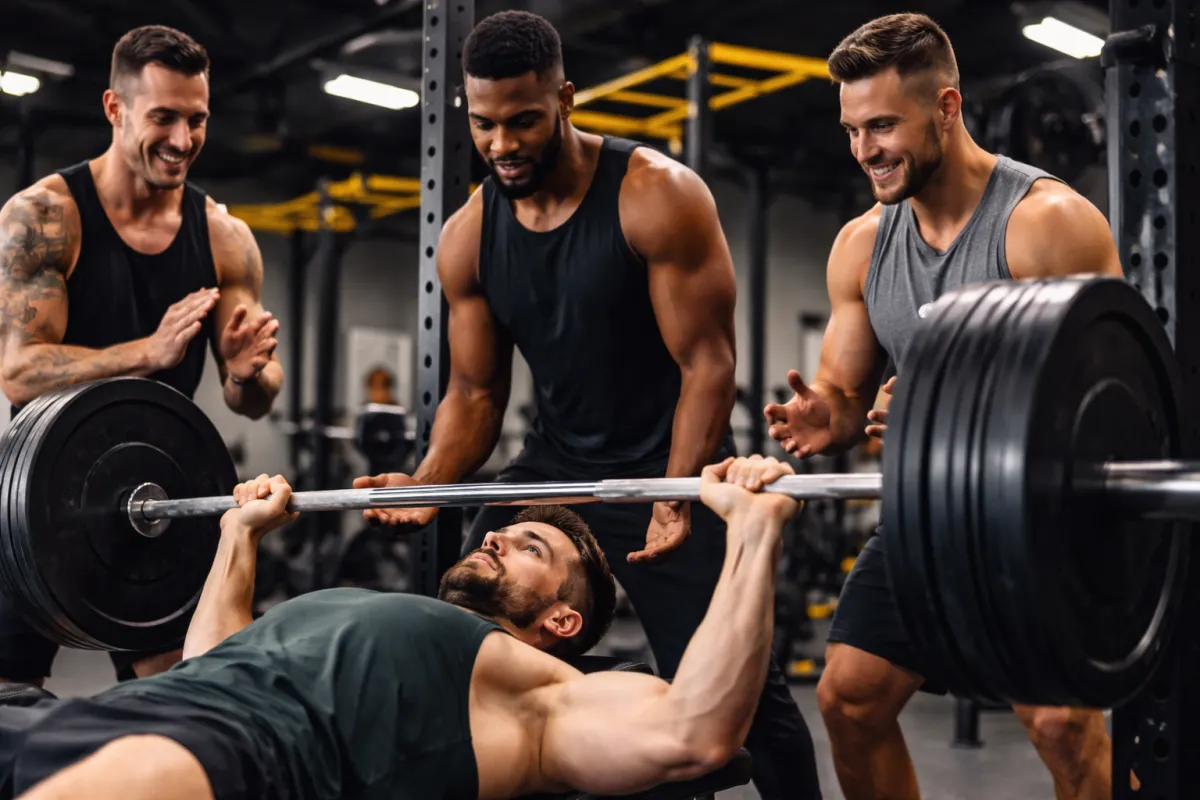
Small Group Training for Men • Build Muscle, Confidence & Fitness Success
As more men pursue fitness results that go beyond just “working out,” small group training has emerged as a powerful solution. Whether the goal is packing on lean muscle, shedding fat, building confidence, or crushing fitness benchmarks, small group training offers the structure, accountability, and expert coaching needed to succeed.
In this comprehensive guide, you’ll discover how small group training specifically benefits men, why it leads to better results than solo workouts, and how to choose the right program for your goals.
Join Our Next Small Group Training Session
What Is Small Group Training?
Small group training combines the benefits of personalized coaching with the energy of a group environment. Typically involving 3–8 participants, this format creates:
Individualized attention from certified trainers
Motivating group energy
Structured sessions tailored to goals
It’s the perfect balance between one‑on‑one personal training and crowded general classes.
Why Men Are Turning to Small Group Training
More men are ditching isolated gym routines for structured group training because it solves common fitness frustrations:
• Lack of Progress
Standard gym routines often lead to plateaus due to poor programming and inconsistent effort.
• No Accountability
Working out alone makes it easy to skip sessions or half‑effort workouts.
• Unclear Goals
Without coaching, many men don’t train with strategy, which slows results.
Small group training tackles all of the above.
1. Muscle Building That Actually Works
One of the biggest reasons men join small group training is to build lean muscle, and it works. Here’s how:
Personalized Progression
Effective muscle growth follows progressive overload, gradually increasing resistance, reps, or intensity. Trainers in a small group setting help you:
Track your performance
Adjust loads at the right time
Avoid under‑ or over‑training
Focus on Form
Improper lifting technique limits muscle activation and increases injury risk. In small groups, trainers coach proper mechanics so each rep counts.
Balanced Strength Programs
Rather than random workouts, small group training offers systematic strength plans tailored to developing muscle in key areas like:
Chest
Back
Shoulders
Legs
Core
Variety and Adaptation
Programs evolve, avoiding boredom and muscular adaptation, which stalls growth.
Result: More muscle gains in less time.
2. Accountability That Keeps You Consistent
Consistency is the cornerstone of progress, and the biggest hurdle for most men.
Built‑In Motivation
Small group environments create a sense of camaraderie. When others show up and push themselves, you naturally match their effort.
Scheduled Workouts
Classes are scheduled, so it’s easier to build a routine and actually stick to it.
Trainer Support
Trainers monitor attendance, offer check‑ins, and provide encouragement, acting as your accountability partner.
Bottom Line: Small group training turns “maybe I’ll go” into “I can’t miss this.”
3. Confidence Boost From Real Results
Transforming your physique changes more than your body — it changes your mindset.
Tracking Progress
Seeing measurable improvements in strength, endurance, and physique naturally boosts confidence.
Group Support
Training with men who share similar goals creates a positive environment where effort is recognized and celebrated.
Community & Camaraderie
The social element of small group training helps men feel supported, encouraged, and driven , which often translates into bigger gains outside the gym too.
4. A Structured Path to Crushing Your Goals
Whether your goals are weight loss, muscle gain, or improved athletic performance, small group training gives you an actionable plan:
Goal‑Based Programming
Workouts are designed around specific objectives, not random exercises.
Periodization
Training is divided into phases, each focused on a different adaptation, strength, hypertrophy, power, or endurance.
Real Accountability
Check‑ins and progress tracking mean your plan stays on track, not in your head.
5. Expert Coaching Without the Personal Training Price Tag
Small group training democratizes expert fitness guidance.
More Coach Interaction
Compared with crowded boot camps or general classes, trainers have the ability to:
Correct form
Adjust workouts
Give personalized feedback
Better Value
You get professional training oversight at a fraction of the cost of one‑on‑one sessions.
6. Community Drives Sustainable Results
The group dynamic isn’t just motivational, it builds habits.
Social Support
Working out with others builds bonds that keep members engaged and accountable.
Positive Competition
Friendly competition pushes performance without pressure.
Shared Success
Celebrating milestones together fuels long‑term commitment.
7. Injury Prevention and Longevity
Intense training can be risky without guidance, especially as lifters get stronger.
Better Movement Patterns
Coaches reinforce safe lifting mechanics.
Customized Scaling
If an exercise is too challenging, trainers modify it without compromising results.
Balanced Training
Strong emphasis on mobility, flexibility, and recovery, essentials for sustainable gains.
How to Get Started With Small Group Training
If you’re ready to take your fitness to the next level, here are actionable tips for starting strong:
Step 1: Define Your Goals
Muscle gain? Fat loss? Strength? Write them down.
Step 2: Choose Your Program
Look for a small group training program that offers:
Certified trainers
Goal‑oriented programming
Consistent class schedules
Step 3: Commit
Set a training schedule and stick to it, consistency is everything.
Step 4: Track Progress
Measure strength benchmarks, body measurements, and workout performance.
Step 5: Adjust As You Grow
Expect your plan to evolve, that’s where real progress happens.
Book Your Free Fitness Assessment
FAQs (Frequently Asked Questions)
Q: How is small group training different from traditional personal training?
A: Small group training offers expert coaching plus a team environment with more affordable pricing and peer motivation.
Q: Can beginners benefit from small group training?
A: Yes — coaches scale intensity and teach proper form, making small group training ideal for all levels.
Q: How many days per week should I train?
A: Most programs recommend 3–5 sessions per week based on your goals and experience level.
Q: Will I still get personalized attention?
A: Absolutely — trainers monitor your progress, offer individual feedback, and adjust exercises when needed.
Q: Do I need special equipment?
A: No — small group programs often provide access to all equipment needed and guide you through proper use.
Final Thoughts
Small group training isn’t just a workout — it’s a transformation strategy. For men looking to build muscle, boost confidence, and finally achieve their fitness goals, it blends personalized coaching, accountability, and community into a powerful formula that works.
If you’re tired of inconsistent results and ready for measurable progress, small group training is the game‑changer you’ve been waiting for.


5380 KING JAMES WAY SUITE A1, FITCHBURG, WISCONSIN 53719
And Serving Madison, Verona, Middleton, and surrounding areas.


